
























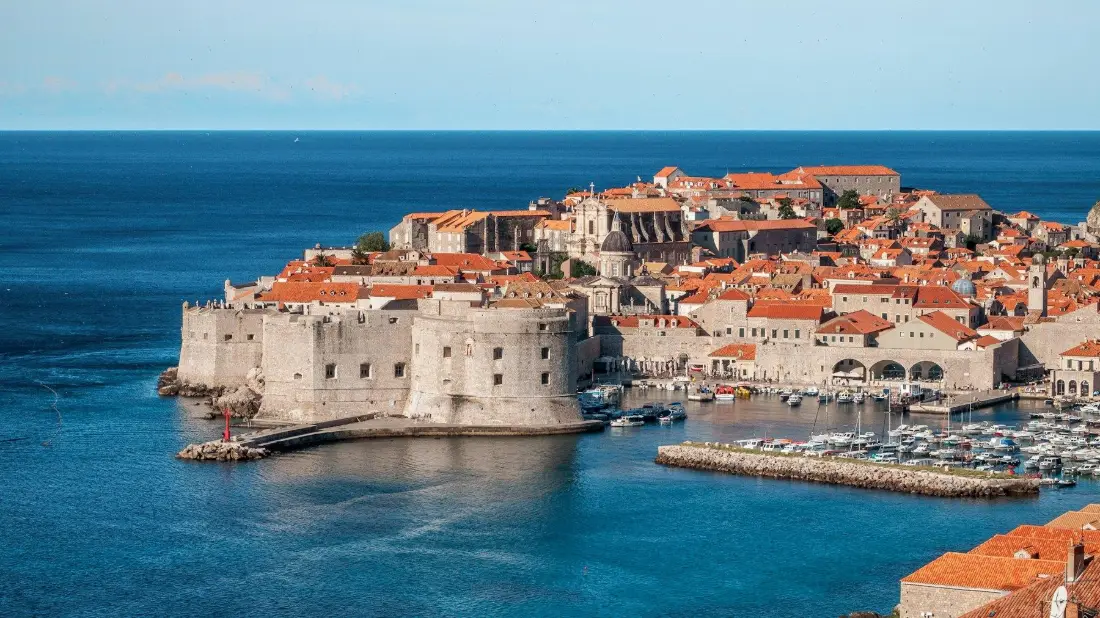
Old towns and island summers
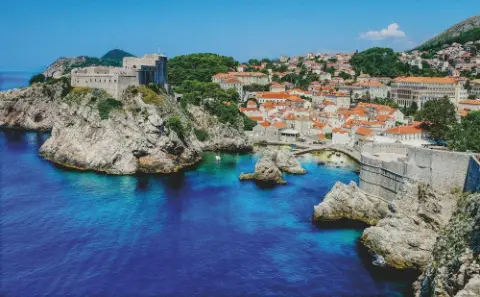
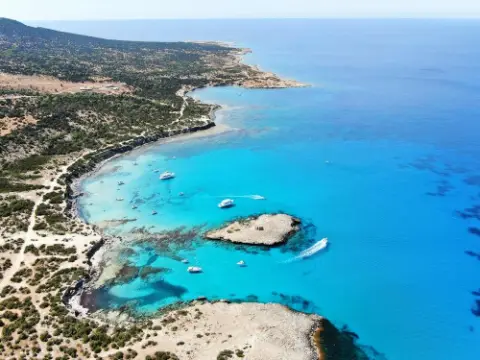
Croatia’s Adriatic coast is lined with Venetian-era old towns, pine-fringed beaches and more than a thousand islands. Pair Dubrovnik’s walls and Split’s Roman palace with a few days on Hvar or Korčula, and you have one of Europe’s most rewarding summer escapes. We arrange flights, ferries and hotels as one trip.
Where to go
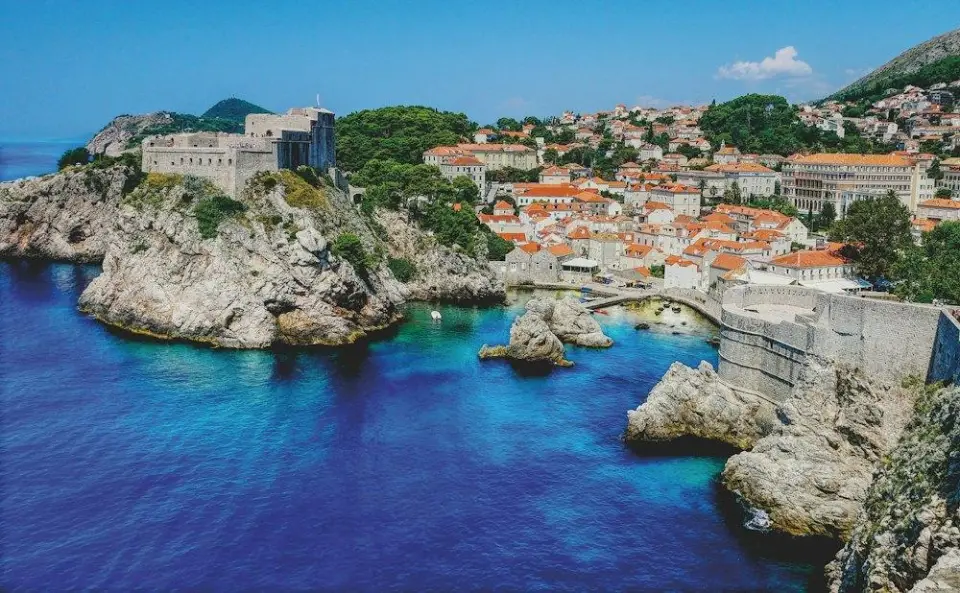
Walk the medieval city walls, then swim from the rocks below the old town.
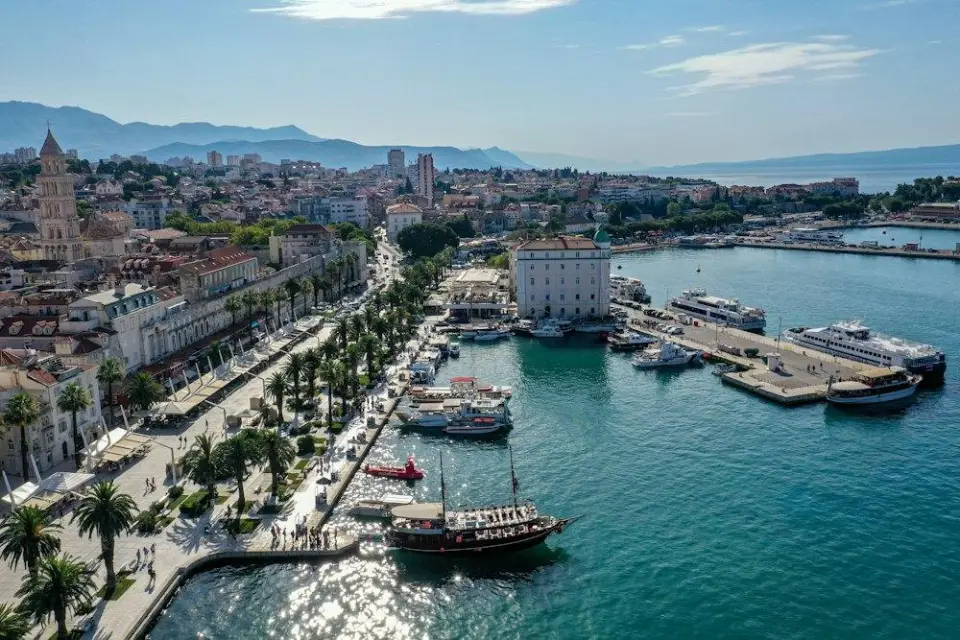
Diocletian’s Roman palace, a lively seafront promenade and ferries to the islands.
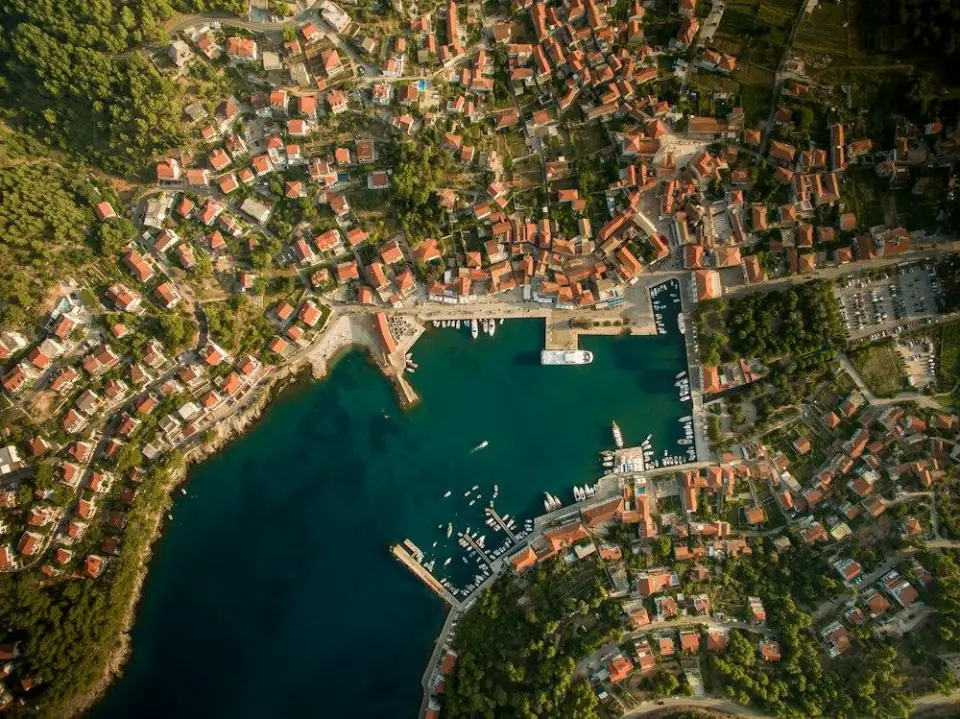
Lavender fields, harbour towns and quiet bays on Hvar, Brač and Korčula.
A UNESCO-listed national park of turquoise lakes linked by waterfalls and boardwalks.
Hilltop villages, truffles and the Roman arena at Pula, close to pretty Rovinj.
Culture and customs
Croatians enjoy a relaxed café culture — a coffee can easily last an hour, and visitors are welcome to linger.
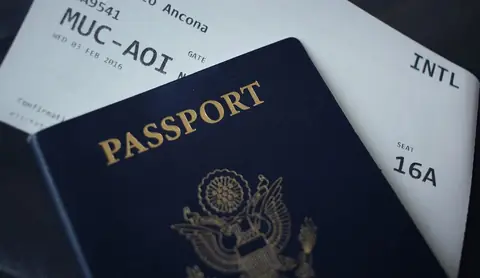
Carry your passport. Always carry your passport and keep a copy of the photo page somewhere safe.
Cover up in town. In some town centres, including Split and Dubrovnik, you can be fined on the spot for walking around shirtless or in swimwear.
No drinking in the street. Drinking alcohol in public spaces can bring an on-the-spot fine in places such as Split and Dubrovnik, and public order offences can cost up to 4,000 euros.
Fire rules in summer. From 1 June to 31 October outdoor fires and barbecues are illegal except in designated areas. Dispose of cigarette ends and glass carefully.
Stay on marked paths. In some remote former war-affected areas, keep to marked paths and don’t walk on uncultivated land.
Registering your stay. Your stay must be registered with the police; hotels and tour operators normally do this for you.
How far is Croatia from you?
Distances are great-circle estimates and flying times are typical, not timetabled. Message us for live fares and routes.
Croatia, month by month
Hover overTap a month for average day and night temperatures, sunshine and rainy days.
Long-term averages from national weather services (Dubrovnik, Zagreb Maksimir). Actual weather varies year to year.
Ready-made holidays, coming soon
We’re adding Croatia packages you can browse and filter by trip type, length and budget. Until then, tell us what you’d like and we’ll send ideas and prices — usually the same day.
Tell us about your Croatia trip
Holiday, flights only or just a hotel — send us the details and our team will come back with options and prices, usually the same day during opening hours.
- Flights issued by our own IATA-accredited team
- Internal flights, transfers and tours arranged
- Visa and passport help from our documents team
- One team to message before, during and after
Read the full official entry requirements
See the official GOV.UK entry requirements for Croatia.
Contains public sector information licensed under the Open Government Licence v3.0. Updated automatically from GOV.UK travel advice.
Travelling to Croatia — quick answers
Can’t see your question? Send us a message or WhatsApp us.
Do I need a visa for Croatia with a British passport?
No — you can travel without a visa to the Schengen area, which includes Croatia, for up to 90 days in any 180-day period. Your passport must have been issued less than 10 years before you arrive and be valid for at least 3 months after the day you plan to leave the Schengen area. You may need to register for the EU Entry/Exit System (EES) at the border; there is nothing to do before you travel. If you hold another passport, we can help with a Schengen visa.
How long is the flight to Croatia?
About 2½ hours from London to Split or Dubrovnik. There are nonstop flights from many UK airports, though most coastal routes run in the main season; Zagreb has flights all year.
Which part of Croatia is best for me?
Dubrovnik and Split for history and city life, Hvar and the Dalmatian islands for beaches and island hopping, and Istria for food, hilltop villages and a quieter pace.
Is Croatia safe to visit?
Crime levels are low, but pickpockets operate in tourist areas. Wildfires are common in hot, dry summers, and in some remote former war-affected areas you should stay on marked paths. Read the latest GOV.UK travel advice before you go.
When is the best time to visit Croatia?
May, June and September are ideal — warm sea and fewer crowds. July and August are the hottest and busiest months.
Please note: the information on this page is a general guide, checked when it was published. Entry rules, health advice, weather, seasons, flight routes and local conditions can change at any time and vary from person to person, so we can’t accept responsibility for changes or for decisions based on this page alone. Always check the latest GOV.UK travel advice and official travel health advice before you travel. It is your responsibility to check the entry, health and travel requirements that apply to you before you travel. See our terms and conditions.