
























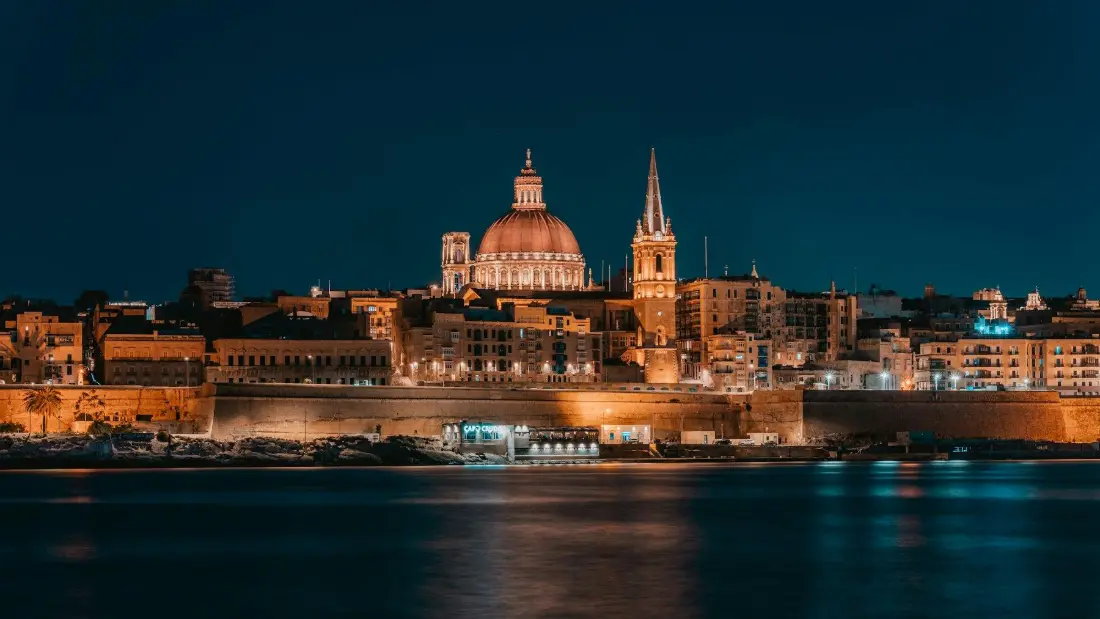
Small islands, big history
Malta packs honey-coloured fortress cities, sparkling bays and a rich layered history into islands you can cross in under an hour. English is an official language and plugs are the same as at home, so it is wonderfully easy for UK travellers. We arrange flights, hotels and transfers as one trip.
Where to go
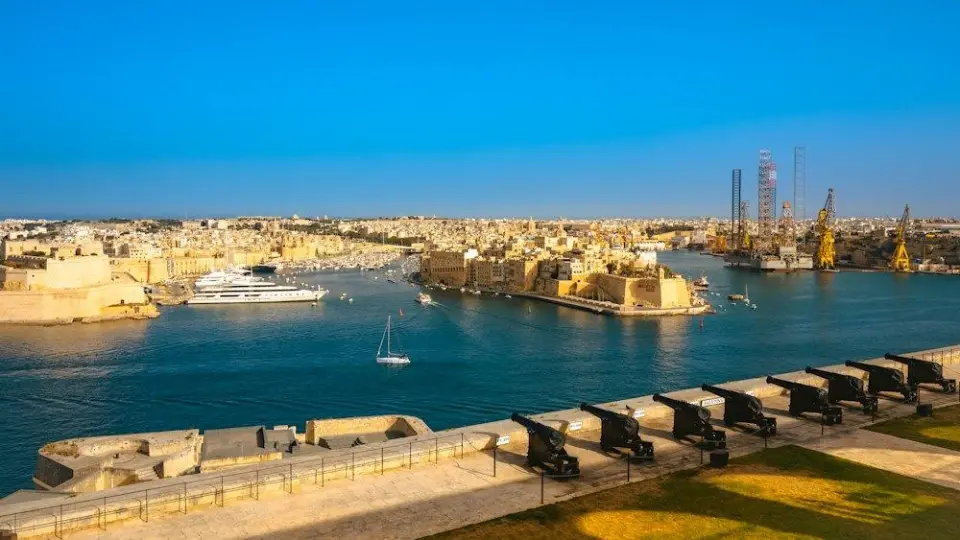
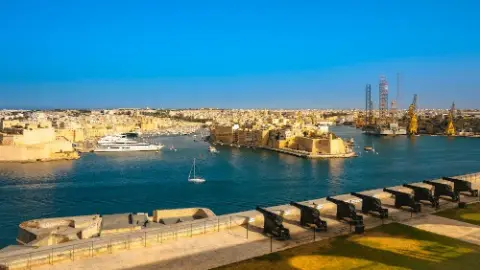
A UNESCO-listed capital of baroque churches, harbour views and Upper Barrakka Gardens.
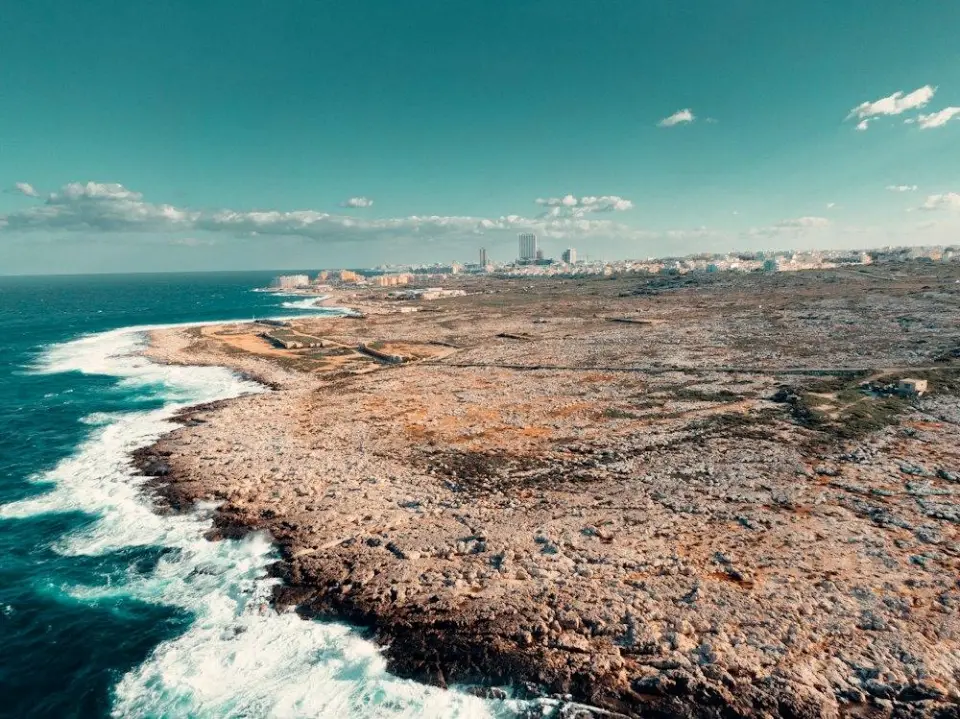
Malta’s green, slower-paced sister island — a short ferry ride away.
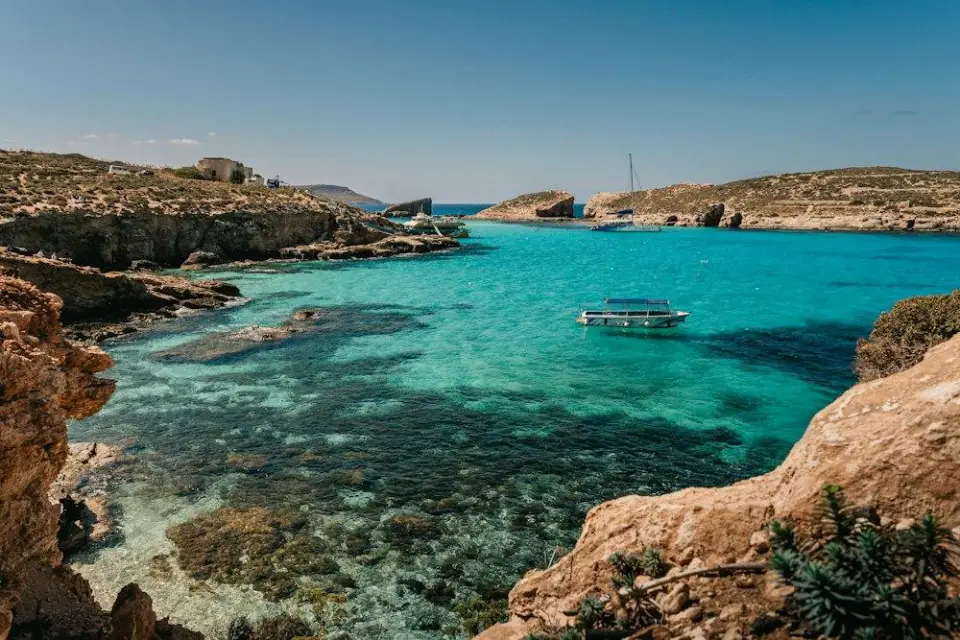
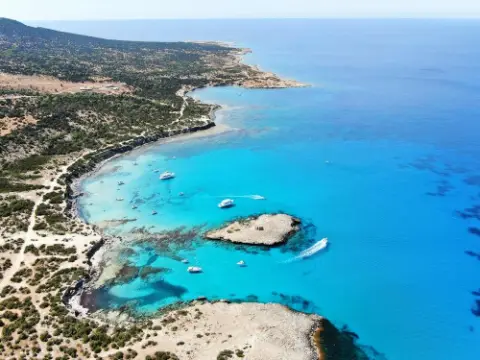
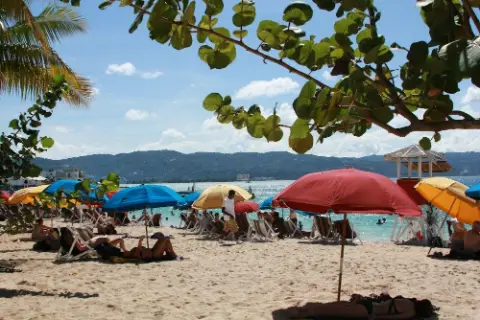
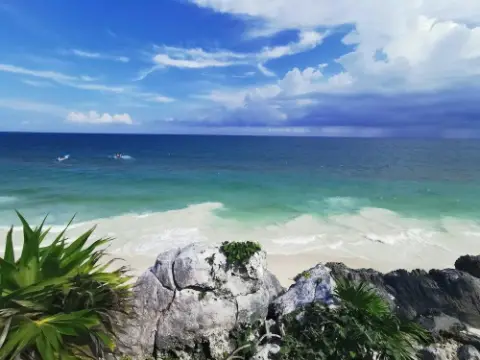
Swim in famously clear turquoise water on a day trip by boat.
The ‘Silent City’ — a hilltop walled town with medieval lanes and views across the island.
Seafront promenades, restaurants and nightlife, with ferries across to Valletta.
Culture and customs
Malta’s calendar is full of village festas — summer feasts with fireworks, brass bands and street food that visitors are welcome to join.
Cannabis rules. Cannabis is legal for personal use at home, but smoking it in public is illegal and attracts a fine. Other drug offences carry long jail sentences.
Nights out in Paceville. Stay with your group, buy your own drinks and keep them in sight, and check your bill in bars and clubs.
Respect the flags. Lifeguards use a flag system in summer — a red flag means dangerous conditions. Swim in designated zones and avoid diving into unknown water.
Hunting seasons. Bird hunting takes place in spring and autumn and hunting areas are rarely marked, so stay alert on country walks.
Churches. Malta’s churches are places of worship — dress respectfully and bring a shawl or light layer to cover up. Stiletto and narrow heels are not allowed in St John’s Co-Cathedral.
Driving. UK photocard licences are accepted, but some roads are in poor condition — buses and ferries are an easy alternative.
How far is Malta from you?
Distances are great-circle estimates and flying times are typical, not timetabled. Message us for live fares and routes.
Malta, month by month
Hover overTap a month for average day and night temperatures, sunshine and rainy days.
Long-term averages from national weather services (Luqa). Actual weather varies year to year.
Ready-made holidays, coming soon
We’re adding Malta packages you can browse and filter by trip type, length and budget. Until then, tell us what you’d like and we’ll send ideas and prices — usually the same day.
Tell us about your Malta trip
Holiday, flights only or just a hotel — send us the details and our team will come back with options and prices, usually the same day during opening hours.
- Flights issued by our own IATA-accredited team
- Internal flights, transfers and tours arranged
- Visa and passport help from our documents team
- One team to message before, during and after
Read the full official entry requirements
See the official GOV.UK entry requirements for Malta.
Contains public sector information licensed under the Open Government Licence v3.0. Updated automatically from GOV.UK travel advice.
Travelling to Malta — quick answers
Can’t see your question? Send us a message or WhatsApp us.
Do I need a visa for Malta with a British passport?
No — you can travel without a visa to the Schengen area, which includes Malta, for up to 90 days in any 180-day period. Your passport must have been issued less than 10 years before you arrive and be valid for at least 3 months after the day you plan to leave the Schengen area. You may need to register for the EU Entry/Exit System (EES) at the border, and you may be asked for a return or onward ticket. If you hold another passport, we can help with a Schengen visa.
How long is the flight to Malta?
About 3 hours from London. There are nonstop flights from London and most UK airports, with some regional routes seasonal.
Is Malta good for a first trip abroad?
Yes — English is an official language, the plugs are the same as in the UK and the islands are small enough to explore easily by bus, ferry or taxi.
Is Malta safe to visit?
Tourists are rarely targeted, but pickpocketing happens on busy bus routes in summer, and you should watch your drinks in Paceville’s bars. Sea conditions can be dangerous, so follow the lifeguard flags. Read the latest GOV.UK travel advice before you go.
When is the best time to visit Malta?
April to June and September to October are ideal for sightseeing and swimming. July and August are the hottest months, and winter is mild for a culture break.
Please note: the information on this page is a general guide, checked when it was published. Entry rules, health advice, weather, seasons, flight routes and local conditions can change at any time and vary from person to person, so we can’t accept responsibility for changes or for decisions based on this page alone. Always check the latest GOV.UK travel advice and official travel health advice before you travel. It is your responsibility to check the entry, health and travel requirements that apply to you before you travel. See our terms and conditions.